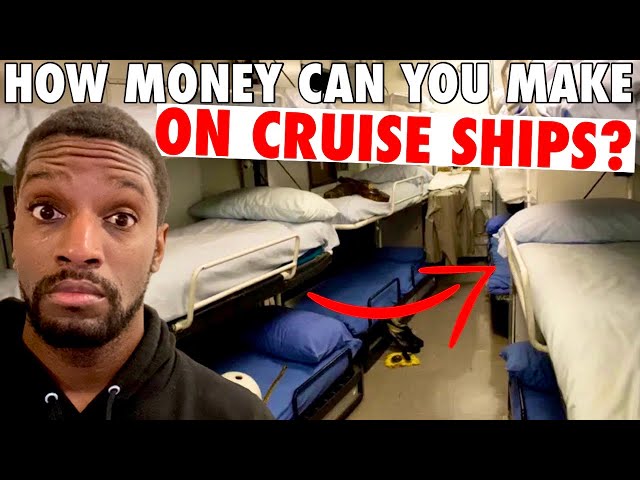
The phrase "how much do you make working on cruise ship" is a question that refers to the financial compensation received by individuals employed on cruise ships. For instance, a steward on a Royal Caribbean cruise may earn around $1,800 per month, excluding tips.
Working on a cruise ship can be a lucrative career path, offering benefits such as free room and board, travel opportunities, and the chance to meet people from different cultures. In the early 20th century, cruise ships primarily catered to the wealthy, but over time, they have become more accessible to a broader audience.
This article will delve into the factors that determine earnings for various positions on cruise ships, explore the benefits and challenges associated with this career, and provide insights into the future of the cruise industry.
How Much Do You Make Working on a Cruise Ship
Compensation for cruise ship employees is influenced by several key aspects. These include:
- Position
- Experience
- Cruise line
- Itinerary
- Tips
The position held on the ship is a major determinant of salary. For example, a captain earns significantly more than a waiter. Experience also plays a role, with more experienced employees typically earning higher wages. The cruise line itself also affects compensation, as some lines are known for paying their employees better than others. The itinerary of the cruise can also impact earnings, as cruises to popular destinations tend to generate higher tips. Finally, tips are a significant source of income for many cruise ship employees, particularly those in service positions.
Position
Within the context of "how much do you make working on a cruise ship," the position held by an individual has a critical impact on their earnings. This is because different positions come with varying levels of responsibility, skill requirements, and experience. For example, a captain, who is responsible for the overall operation and safety of the ship, will typically earn a higher salary than a waiter, who provides food and beverage service to passengers. Similarly, a cruise director, who plans and organizes activities for passengers, will typically earn more than a cabin steward, who cleans and maintains passenger cabins.
In addition to the base salary, employees in certain positions may also receive additional compensation in the form of tips or commissions. For example, waiters and bartenders typically receive tips from passengers, while sales representatives may receive commissions on sales of shore excursions or other products and services. The amount of tips or commissions earned can vary depending on the employee's performance and the itinerary of the cruise. Cruises to popular destinations, such as the Caribbean or Alaska, tend to generate higher tips and commissions than cruises to less popular destinations.
Understanding the connection between position and earnings on a cruise ship can help individuals make informed decisions about their career path. By choosing a position that matches their skills and interests, and by working hard to improve their performance, individuals can increase their earning potential and enjoy a successful career in the cruise industry.
Experience
Experience is a critical component of "how much do you make working on a cruise ship." This is because experience allows employees to develop the skills and knowledge necessary to perform their jobs effectively. As employees gain experience, they become more efficient and productive, which can lead to higher pay. Additionally, experienced employees are often given more responsibility, which can also lead to higher earnings. For example, a waiter with several years of experience may be promoted to head waiter, which typically comes with a higher salary. Similarly, a cruise director with a proven track record of success may be given the opportunity to manage a larger ship, which can also lead to a higher salary.
There are many different ways to gain experience working on a cruise ship. Some employees start out in entry-level positions, such as cabin steward or waiter, and work their way up to more senior positions. Others may have previous experience in the hospitality industry, which can be helpful in securing a job on a cruise ship. Regardless of how employees gain their experience, it is clear that it is a valuable asset in the cruise industry.
The practical applications of understanding the connection between experience and earnings on a cruise ship are numerous. For example, employees can use this knowledge to make informed decisions about their career path. By choosing a position that matches their skills and interests, and by working hard to gain experience, employees can increase their earning potential and enjoy a successful career in the cruise industry. Additionally, cruise lines can use this knowledge to develop training and development programs that help employees to gain the skills and knowledge they need to succeed in their roles.
Cruise line
The choice of cruise line is a significant factor in determining earnings on a cruise ship. Different cruise lines have varying policies and practices regarding employee compensation. Some cruise lines are known for paying their employees better than others, and some cruise lines offer better benefits and perks.
-
Brand reputation
Cruise lines with a strong brand reputation and a loyal customer base can afford to pay their employees higher wages. Examples include Royal Caribbean, Carnival Cruise Line, and Disney Cruise Line.
-
Size of the ship
Larger cruise ships typically have larger crews and more amenities, which can lead to higher earnings for employees. For example, a waiter on a large cruise ship may earn more than a waiter on a smaller cruise ship.
-
Itinerary
Cruise lines that offer cruises to popular destinations, such as the Caribbean or Alaska, tend to generate higher revenue, which can lead to higher earnings for employees. For example, a cruise director on a cruise to Alaska may earn more than a cruise director on a cruise to a less popular destination.
-
Unionization
Cruise lines that are unionized typically have higher labor costs, which can lead to higher earnings for employees. For example, the International Transport Workers' Federation (ITF) represents cruise ship employees on many cruise lines.
Understanding the connection between cruise line and earnings on a cruise ship can help individuals make informed decisions about their career path.
Itinerary
In the realm of "how much do you make working on a cruise ship," the itinerary plays a pivotal role. It encompasses the specific route, destinations, and duration of a cruise, which can significantly impact earnings potential.
-
Length of the cruise
Longer cruises generally yield higher earnings for employees, as they provide more opportunities for tips and commissions. For example, a waiter on a 7-day cruise may earn more than a waiter on a 3-day cruise.
-
Destinations
Cruises to popular destinations, such as the Caribbean or Alaska, tend to generate higher revenue, which can lead to higher earnings for employees. This is because these destinations attract more passengers, who typically spend more money on board.
-
Number of ports of call
Cruises with more ports of call offer more opportunities for shore excursions, which can generate additional income for employees who work in the excursions department.
-
Special events
Cruises that feature special events, such as concerts or sporting events, can also lead to higher earnings for employees. This is because these events attract more passengers, who typically spend more money on board.
By understanding the various aspects of itinerary and their implications for earnings, cruise ship employees can make informed decisions about which cruises to work on and how to maximize their earning potential.
Tips
In the context of "how much do you make working on a cruise ship," tips play a significant role in determining earnings potential. Tips are gratuities given by passengers to employees in recognition of good service. They can vary widely depending on the employee's position, the cruise line, the itinerary, and the individual passenger's generosity.
-
Passenger demographics
The demographics of the passengers on a cruise can influence the amount of tips earned. For example, passengers from wealthier countries tend to tip more generously than passengers from less wealthy countries.
-
Service quality
The quality of service provided by an employee can also affect the amount of tips earned. Passengers are more likely to give generous tips to employees who are friendly, attentive, and efficient.
-
Position
The position held by an employee on a cruise ship can also affect the amount of tips earned. For example, waiters and bartenders typically earn more tips than cabin stewards and housekeepers.
-
Cruise line
The cruise line itself can also affect the amount of tips earned by employees. Some cruise lines have a reputation for paying their employees better than others, and this can lead to higher tips for employees on those cruise lines.
Understanding the various factors that influence tips can help cruise ship employees maximize their earning potential. By providing excellent service and working on a cruise line with a good reputation for paying its employees well, employees can increase the amount of tips they earn and enjoy a more lucrative career.
FAQs About Cruise Ship Salaries
This FAQ section provides answers to common questions about how much cruise ship employees make. The questions cover a range of topics, including base salary, tips, and benefits.
Question 1: What is the average salary for a cruise ship employee?
The average salary for a cruise ship employee varies depending on the position, experience, and cruise line. However, most cruise ship employees earn between $2,000 and $4,000 per month.
Question 2: Do cruise ship employees receive tips?
Yes, cruise ship employees do receive tips. The amount of tips varies depending on the position, but most cruise ship employees earn between $100 and $500 per month in tips.
Question 3: What are the benefits of working on a cruise ship?
There are many benefits to working on a cruise ship, including free room and board, travel opportunities, and the chance to meet people from different cultures. Cruise ship employees also have access to a variety of amenities, such as swimming pools, gyms, and restaurants.
Question 4: What are the challenges of working on a cruise ship?
There are also some challenges to working on a cruise ship, such as long hours and being away from home for extended periods of time. Cruise ship employees also have to deal with the challenges of working in a confined space with a large number of people.
Question 5: Is working on a cruise ship a good career?
Working on a cruise ship can be a good career for people who are looking for a job that is challenging, rewarding, and offers the opportunity to travel the world.
Question 6: How can I get a job on a cruise ship?
There are a number of ways to get a job on a cruise ship. You can apply directly to the cruise lines or through a recruiting agency. You can also find job openings on websites like Indeed.com and Monster.com.
These FAQs provide a general overview of how much cruise ship employees make. For more specific information, please contact the cruise line or recruiting agency of your choice.
In the next section, we will discuss the factors that affect cruise ship employee salaries in more detail.
Tips for Maximizing Your Earnings on a Cruise Ship
The following tips can help you maximize your earnings on a cruise ship:
Choose a cruise line that is known for paying its employees well. Some cruise lines have a reputation for paying their employees better than others. Do some research to find out which cruise lines offer the best salaries and benefits.
Get experience in the hospitality industry. Cruise lines are more likely to hire employees who have experience in the hospitality industry. This experience can be in a variety of roles, such as waiter, bartender, or hotel receptionist.
Learn a foreign language. Cruise ships often hire employees who can speak multiple languages. This is especially important if you want to work on cruises that visit international destinations.
Be prepared to work long hours. Cruise ship employees often work long hours, especially during peak season. Be prepared to work 12-hour days, seven days a week.
Be friendly and outgoing. Cruise ship employees need to be able to interact with passengers from all over the world. Be friendly, outgoing, and always willing to help.
Provide excellent customer service. Cruise ship employees need to provide excellent customer service to passengers. This means being polite, helpful, and efficient.
Be willing to go the extra mile. Cruise ship employees who are willing to go the extra mile are more likely to earn good tips and promotions.
Network with other employees. Networking with other employees can help you learn about job openings and career advancement opportunities.
By following these tips, you can increase your earning potential and enjoy a successful career on a cruise ship.
In the next section, we will discuss the challenges of working on a cruise ship.
Conclusion
This article has explored the various factors that affect how much cruise ship employees make. We have seen that salaries can vary depending on position, experience, cruise line, itinerary, and tips. We have also discussed the benefits and challenges of working on a cruise ship.
There are many opportunities for career advancement on a cruise ship. With hard work and dedication, employees can move up the ranks and earn higher salaries. However, it is important to be aware of the challenges of working on a cruise ship, such as long hours and being away from home for extended periods of time.
Ultimately, the decision of whether or not to work on a cruise ship is a personal one. However, by understanding the factors that affect salaries and the benefits and challenges of working on a cruise ship, individuals can make an informed decision about whether or not this career path is right for them.Youtube Video:




No comments:
Post a Comment